
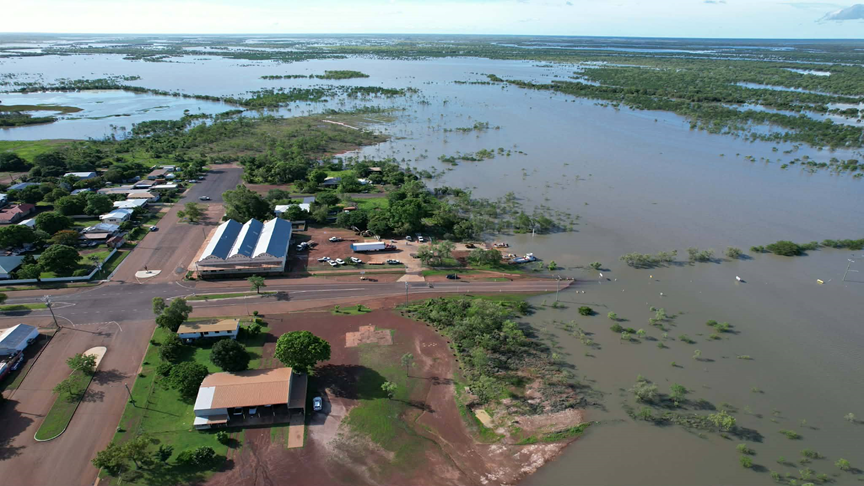
Residents across North West Queensland are being reminded to take precautions during the wet season to reduce the risk of infection, which can lead to severe skin infections and septicaemia, including Melioidosis.
Heavy rain and flooding can bring bacteria from deep within the soil to the surface, increasing the likelihood of exposure through minor wounds and inhalation of airborne particles.
While most healthy people exposed to bacteria do not become unwell, infections are more likely during the wet season when outdoor activity and contact with mud and floodwater increase.
Public Health physician, Dr Steven Donohue, said preventing infection is critical, particularly for people most at risk.
People at higher risk include those with diabetes, chronic kidney, lung or liver disease, cancer or weakened immune systems, older people, and people who drink alcohol heavily.
“Vulnerable people should stay indoors during heavy rain or flooding, and under no circumstances should they enter flooded or muddy waters,” Dr Donohue said.
“When conditions are wet, bacteria can be present not only in soil and muddy water, but also in particles in the air. Reducing exposure during these periods by staying indoors, can significantly lower the risk of infection.”
Symptoms of infection can vary and may appear days, weeks or even months after exposure. Early symptoms can include fever, chills, cough, chest pain, shortness of breath, headaches, muscle aches or extreme tiredness. Skin sores or ulcers that do not heal may also occur. If left untreated, the infection can become severe.
“Get to your doctor quickly if you are unwell and getting worse,” Dr Donohue said. “Simple precautions can significantly reduce the risk of infection during the wet season.”
“These include avoiding contact with muddy water where possible, wearing protective clothing such as waterproof boots and gloves when working outdoors, covering cuts or sores with waterproof dressings, and washing skin thoroughly after contact with mud or floodwater. Foot and wound care is particularly important for people with diabetes.”
North West Hospital and Health Service is strengthening internal preparedness by providing additional training to all clinical staff, particularly agency and locum workers, focused on infection prevention, recognising early warning signs, understanding wet-season exposure risks, and ensuring prompt escalation and treatment of conditions such as melioidosis and sepsis.
Anyone who feels unwell after contact with muddy water or soil is urged to seek medical advice promptly and inform their healthcare provider about possible exposure. Early diagnosis and treatment with antibiotics can be life-saving.
North West Hospital and Health Service continues to work with communities to raise awareness of wet-season health risks and encourages residents to take practical steps to protect themselves.
To view the latest data on bacterial infection cases, visit Queensland Health’s Notifiable Conditions reporting page.